Armed conflicts in DEFCON 3
Wars, armed conflicts and their effects on us. Where are the shots fired and how people try to continue their lifes despite it.
Military in DEFCON 3
Tanks, ships, planes, choppers, guns and soldiers. Everything related to the world armies. How they are today and how they will be tomorrow.
Politics and Social Issues in DEFCON 3
All American and worldwide politics, analysed. What's important, why it is important and how it affects us.
Showing posts with label Irak. Show all posts
Wednesday, July 24, 2013
A (pacified?) Iraq
7/24/2013
Ehiztari
Who said that Iraq was
pacified? This week, a massive jailbreak in the infamous Abu Ghraib prison has freed
more
than 500 prisoners, many of them from Al Qaeda in Iraq. The word massive falls
short to describe an operation that dwarfs others attempted by Al Qaeda in
Afghanistan or Iraq.
The confusion in the
Iraqi government has been massive too. They knew that something was coming to get
them. Every year during the Ramadan month, terrorist attacks increase. That
reminds me of the modus operandi of ETA, which used to carry out attacks on
weekends and holidays.
Returning to the
subject, I was saying that the Iraqi government suspected something was
brewing. They weren’t sure what exactly but just in case, they had prepared a
special police operation to deal with the unexpected.
Well, it
didn’t work. According to the latest information available, some of the
guards of the prison itself helped the prisoners to escape. In fact, Iraqi
officials are talking of an inside
job that has released many of the leaders of Al Qaeda in Iraq, including
some who were arrested by U.S. troops.
But if it had been
just a matter of a mass jailbreak –just a huge escape after all- it would not
be so worrying. Worrying, but not as worrying as the other stuff going on in
Iraq. The really serious problem is that the death toll continues to rise. So
much for a country that is supposed to be stable.
It was too much to ask
for that for once Iraq enjoyed a peaceful Ramadan. So far in July, 450 people
have died in a country that is accustomed to high numbers of deaths on a daily
basis. Last Saturday, in one day alone, 80 people were killed in various
attacks around the country.
To get an idea of the bigger picture, in 2011
there were 4,147 deaths related to terrorist violence in Iraq. In 2012 the
figure rose to 4,573. So far in 2013 (excluding July), the death toll stands at
3,175. If the progression continues, it could reach 5,000 dead in this year.
Moreover, since 2003, there has not been a single month that had less than 200
violent deaths. Since 2011, the average is 450 deaths a month. Too many for a (supposedly)
pacified country.
Wednesday, March 13, 2013
Wasting Money
3/13/2013
Ehiztari
Over 12% of the Money spent
in rebuilding Iraq has been wasted. That is the conclusion reached by the
latest enquiry on the matter by the USA. And it could be worse.
Nothing is more
painful for Americans than paying taxes. That is why the “taxpayer’s money” is
scrutinised so closely. And the quantity wasted this time is considerable: more
than $8b.
An estimation, by the
way, that could be short. Stuart Bowen, head of the committee redacting the
document, told Wired
that the total could be much more because they only could audit superficially
the account. An account that only includes money spent on reconstruction, not
the overall military operation cost which ascends to $800b.
To the 12% of the $60b
for rebuilding Iraq, we should add the unknown amount wasted in Afghanistan
already. Last year an independent investigation by the BBC revealed that a “significant
portion” of the $400m invested in 2011 alone was going to be lost.
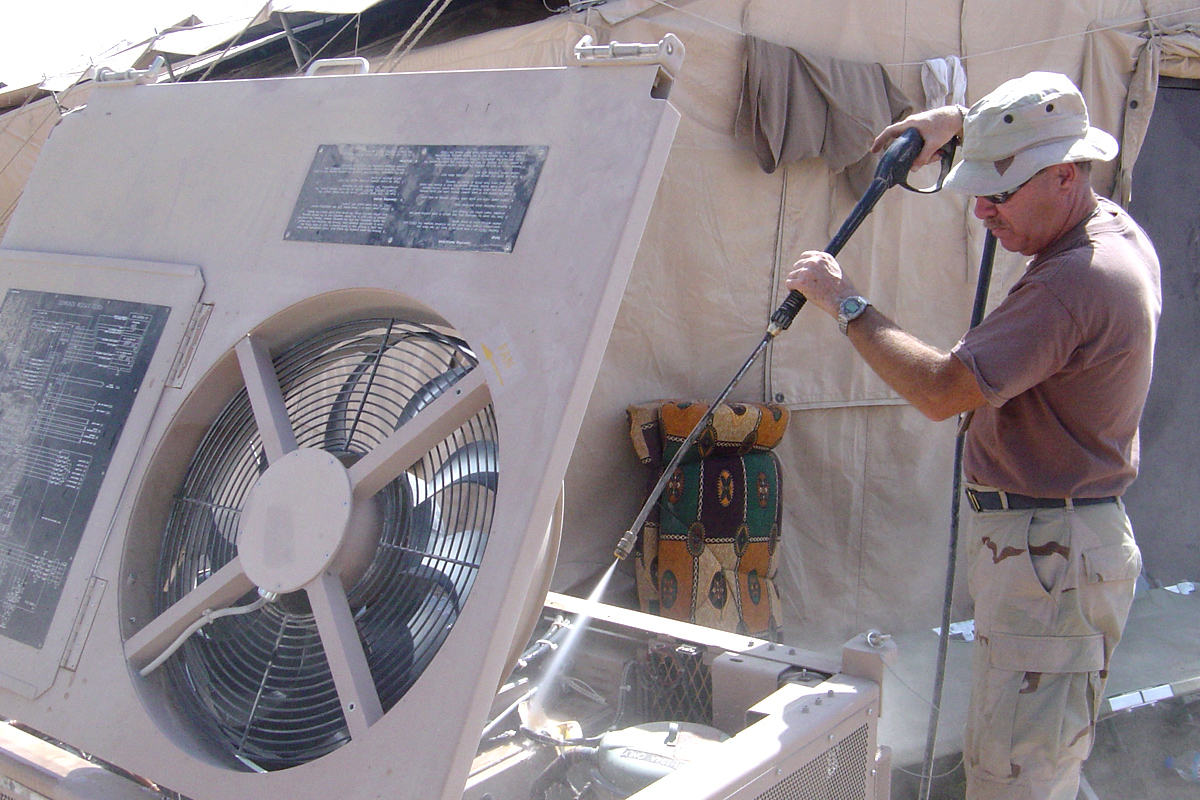
| Photo: US Army |
One thing you can’t
deny them is creativity when it comes to useless spending. Sometimes it was in
the form of unfinished projects. Sometimes by paying contractors that then didn’t
meet the requirements. There is even a case of a school that wanted $10,000 for
refurbishment works and got $70,000 without knowing well why.
Probably the case of
the “Sons of Iraq” program is especially relevant. It was seen as a
expense to avoid expenses. Planned
by the now villain Gen. Petraeus it focused on paying of Sunni groups in Iraq
to work for the Americans instead of against them. Bribe them, one could say.
Those bribes added up to $370m between 2007 and 2008. But worst of all, without
being clear if it was a success, they exported the system to Afghanistan.
It is impossible not
to think other uses that money could have had. $8b is a lot of money. Enough,
for example, to pay for five more missions of the space shuttle. Or for almost
a whole year of the Environmental Agency’s budget. Instead they are collecting
dust in some warehouse in the middle of the desert.
Published first on Iniciativa Abierta in Spanish
Sunday, December 06, 2009
Iraqi shoe-thrower finds his match
12/06/2009
Ehiztari
I assume you remember the Iraqi journalist that threw a pair of shoes at George W. Bush last year, starting a new way of protest (old for the Arab world) worldwide. Well, he had a taste of his own medicine last Tuesday when he nearly got beaned by a shoe thrower at a news conference in Paris.
The identity of the new shoe-thrower -and his motivation- weren't immediately clear, but he appeared to be an Iraqi. It was not known if the intruder was a journalist or just pretended to be one to attend the news conference at a center for foreign reporters.
What it's for sure is that Muntadhar al-Zeidi has as good reflexes as Bush, because he too ducked and the shoe hit the wall behind him. And he has good sense of humor too:
Did you like it? Share it
The identity of the new shoe-thrower -and his motivation- weren't immediately clear, but he appeared to be an Iraqi. It was not known if the intruder was a journalist or just pretended to be one to attend the news conference at a center for foreign reporters.
What it's for sure is that Muntadhar al-Zeidi has as good reflexes as Bush, because he too ducked and the shoe hit the wall behind him. And he has good sense of humor too:
"He stole my technique," al-Zeidi later quipped.
Did you like it? Share it
Thursday, November 05, 2009
Friendly fire 05/10/09
11/05/2009
Ehiztari
- Iraq combat deaths near record low.
- After a deadly month in Pakistan, Islamabad offers Taliban bounties.
- Tehran set to lose status as Iran capital.
- An excellent data collection about the piracy around the world: all the attacks by pirates in 2009 (raw data)
- Inside the Army’s Far-Out Acid Tests. Dude, that's awesome...
Did you like it? Share it
- After a deadly month in Pakistan, Islamabad offers Taliban bounties.
- Tehran set to lose status as Iran capital.
- An excellent data collection about the piracy around the world: all the attacks by pirates in 2009 (raw data)
- Inside the Army’s Far-Out Acid Tests. Dude, that's awesome...
Did you like it? Share it
Friday, October 30, 2009
Friendly fire 30/10/09
10/30/2009
Ehiztari
- Iraq wants to get into the nuclear club. Yeah, that’s right. Not Iran this time, Iraq.
- Micheletti and Zelaya achieve an agreement for an exit to Honduras coup.
- The EU gets an only strong voice against climate change. Well, sorta.
- Israeli envoy to the UN says that the Human Rights council has give its back to the same values it defends. I think it’s something about Goldstone report, but not in the same way as everyone else aknowledges it.
- Medvedev opposes to the rehabilitation of uncle Joe. Traitor! He should be executed…
Did you like it? Share it
- Micheletti and Zelaya achieve an agreement for an exit to Honduras coup.
- The EU gets an only strong voice against climate change. Well, sorta.
- Israeli envoy to the UN says that the Human Rights council has give its back to the same values it defends. I think it’s something about Goldstone report, but not in the same way as everyone else aknowledges it.
- Medvedev opposes to the rehabilitation of uncle Joe. Traitor! He should be executed…
Did you like it? Share it
Wednesday, September 02, 2009
Friendly fire 02/09/09
9/02/2009
Ehiztari
- Anyone knows which is the 5th busiest British airport? Here is the answer: Kandahar.
- Pakistan official survives assassination attempt. Afghanistan’s, not so lucky.
- Iraq finds his Air Force... in Serbia.
- How to win a forged election. And a great way to follow forged results in Google maps. Notice this: Karzai’s dominated regions are in the Taliban dominated regions. Coincidence?
- Ireland plans to create an Iraq likewise situation in the north... in 1969.
Did you like it? Share it
- Pakistan official survives assassination attempt. Afghanistan’s, not so lucky.
- Iraq finds his Air Force... in Serbia.
- How to win a forged election. And a great way to follow forged results in Google maps. Notice this: Karzai’s dominated regions are in the Taliban dominated regions. Coincidence?
- Ireland plans to create an Iraq likewise situation in the north... in 1969.
Did you like it? Share it
Thursday, May 28, 2009
Friendly fire 28/05/09
5/28/2009
Ehiztari
- How to: assist to a charity auction for the free sandwiches and come back home with a fighter jet.
- Israel and the USA, full cooperation for anti-missile shield.
- Casualties in Iraq and Afghanistan, tracked down in Google Earth.
- Australia wants to increase the fleet of sub from 6 to 12, but for now, it struggles to have at least one operative.
- Maybe in the end the FCS of the US Army is not a dead walking zombie...
- Israel and the USA, full cooperation for anti-missile shield.
- Casualties in Iraq and Afghanistan, tracked down in Google Earth.
- Australia wants to increase the fleet of sub from 6 to 12, but for now, it struggles to have at least one operative.
- Maybe in the end the FCS of the US Army is not a dead walking zombie...
Arms race goes east I (Central Asia)
5/28/2009
Ehiztari
The USA and Russia, with endangered economies because of the economic instability, seem keen to go forward with the disarment programs. Not for the Asia-Pacific region.
The approach from Medvedev and Obama looks logical. Not only from a strategic and military point of view, but also economically. In the end, if they can forget about the expensive expenditure of the Defense bill -specially the one derivated from the upkeeping of the nuclear deterrent- that could mean a huge relief for their bad economies. In the US there is even a debate around about if Obama should renounce to the “first strike”, something Americans never took out from the table. But the cuttings aren’t only in stuff. Also in staff, even at a senior level.
On the other hand, the threats from our father’s times are over. Now we won’t need big armies to confront other armies in at least twenty years time. In fact, today’s battleground is an asymmetrical warfare, with invisible foes that attack and retreat like the smoke, and where versatility, mobility and adaptability of small unit is essential. Both, the USA and Russia are working in that way. Also the UK follows the path. And even though the US Army wouldn’t do anything else but maintenance for the oncoming years, they will be without doubt the most powerful force on Earth, even more than all his foes together.
But the Americans aren’t just maintaining the arms. It’s the biggest bill of all armies. The US spends in defense 4.6 times more than the Chinese, 7.7 times more than the Russians, 85.2 times more than Iran and 100 times more than North Korea. The difference for this year is that although it is still growing, it grows less.
Not in Asia. Here, it doesn’t only grow, but sometimes growths even more than in previous years. Up until some point it’s understandable. Asia is the hottest part of the planet right now, where most of the conflicts and instability regimes are (letting aside Africa), from Burma to Sri Lanka. Also where most of tomorrow’s threats are, from Iran to the DPRK. And even where today’s conflicts are taking place, like Afghanistan and Pakistan.
So many problematic people together cannot be good. That’s why, imitating the Europeans, America and Russia after WWII, most of the countries in the region are rearming themselves heavily. Just in case, for what could happen in the future. The dates are fixed, as demonstrated by the new Australian Defense white paper and the Chinese PLAN: 2030.
Iran is a crystal clear example of this. Behind the threatening rethorics of Ahmadinejad, facts are that its power up to date can only endanger weak neighbors. It doesn’t matter what Israel tries to sell us with the fear policy; Iran doesn’t represent a threat today for the West.
Today. But tomorrow it can. Iran is planning the basis for what can be the biggest menace for Israel in all its modern history, and made the mullahs capable of face the Jews without any kind of complexes. The tools are being developed: nuclear weapons, ICBMs and drones to deliver the package.
But probably, the biggest problem is not in Iran itself but in its eastern border: the Af-Pak. The irony of this comes out from the fact that, what started as an operation to stabilize a country and kick the Talibans out from a Government has derivated in a fight to avoid the Talibans taking control of another country in more dangerous conditions.
The fall of Pakistan in hands of a fundamentalist regime would be a huge backstep not only in Washington, but also in Tehran, New Delhi, Tel Aviv and even Beijing or Moscow. It’s not only the problem of having a haven for terrorists, with the back from a state. There is too the threat of Pakistan’s nukes.
Between 60 and 150 weapons, plus the missiles to put them anywhere in a few hundreds miles around, could fall into the hands of some crazy guys whose wet dreams are about that. The threat looks real. At least, real enough to make Washington prepare a plan B to take over the nukes in case Pakistan’s State fails.

Photo; Thomas Cole
The approach from Medvedev and Obama looks logical. Not only from a strategic and military point of view, but also economically. In the end, if they can forget about the expensive expenditure of the Defense bill -specially the one derivated from the upkeeping of the nuclear deterrent- that could mean a huge relief for their bad economies. In the US there is even a debate around about if Obama should renounce to the “first strike”, something Americans never took out from the table. But the cuttings aren’t only in stuff. Also in staff, even at a senior level.
On the other hand, the threats from our father’s times are over. Now we won’t need big armies to confront other armies in at least twenty years time. In fact, today’s battleground is an asymmetrical warfare, with invisible foes that attack and retreat like the smoke, and where versatility, mobility and adaptability of small unit is essential. Both, the USA and Russia are working in that way. Also the UK follows the path. And even though the US Army wouldn’t do anything else but maintenance for the oncoming years, they will be without doubt the most powerful force on Earth, even more than all his foes together.
But the Americans aren’t just maintaining the arms. It’s the biggest bill of all armies. The US spends in defense 4.6 times more than the Chinese, 7.7 times more than the Russians, 85.2 times more than Iran and 100 times more than North Korea. The difference for this year is that although it is still growing, it grows less.
Not in Asia. Here, it doesn’t only grow, but sometimes growths even more than in previous years. Up until some point it’s understandable. Asia is the hottest part of the planet right now, where most of the conflicts and instability regimes are (letting aside Africa), from Burma to Sri Lanka. Also where most of tomorrow’s threats are, from Iran to the DPRK. And even where today’s conflicts are taking place, like Afghanistan and Pakistan.
So many problematic people together cannot be good. That’s why, imitating the Europeans, America and Russia after WWII, most of the countries in the region are rearming themselves heavily. Just in case, for what could happen in the future. The dates are fixed, as demonstrated by the new Australian Defense white paper and the Chinese PLAN: 2030.
Iran is a crystal clear example of this. Behind the threatening rethorics of Ahmadinejad, facts are that its power up to date can only endanger weak neighbors. It doesn’t matter what Israel tries to sell us with the fear policy; Iran doesn’t represent a threat today for the West.
Today. But tomorrow it can. Iran is planning the basis for what can be the biggest menace for Israel in all its modern history, and made the mullahs capable of face the Jews without any kind of complexes. The tools are being developed: nuclear weapons, ICBMs and drones to deliver the package.
But probably, the biggest problem is not in Iran itself but in its eastern border: the Af-Pak. The irony of this comes out from the fact that, what started as an operation to stabilize a country and kick the Talibans out from a Government has derivated in a fight to avoid the Talibans taking control of another country in more dangerous conditions.
The fall of Pakistan in hands of a fundamentalist regime would be a huge backstep not only in Washington, but also in Tehran, New Delhi, Tel Aviv and even Beijing or Moscow. It’s not only the problem of having a haven for terrorists, with the back from a state. There is too the threat of Pakistan’s nukes.
Between 60 and 150 weapons, plus the missiles to put them anywhere in a few hundreds miles around, could fall into the hands of some crazy guys whose wet dreams are about that. The threat looks real. At least, real enough to make Washington prepare a plan B to take over the nukes in case Pakistan’s State fails.
Photo; Thomas Cole
Sunday, May 17, 2009
Friendly fire 17/05/09
5/17/2009
Ehiztari
- Fighting the Taliban in shorts. Kudos to David for the link. On other terms, the oldest casualty in Iraq is a Vietnam veteran.
- The economic crisis through Google Earth eyes.
- Zombie ants. No, it isn’t next horror blockbuster title; it is something real.
- Iran frees American journalist, who flies home. She wasn’t in jail enough to get a place inside the Time 100 most influential people of the world in 2009.
- Wars simplified to a fool-proof mathematical formula. It’s a pity that for now is everything but accurate.
EXTRA: A military analysis on Star Trek.
.
- The economic crisis through Google Earth eyes.
- Zombie ants. No, it isn’t next horror blockbuster title; it is something real.
- Iran frees American journalist, who flies home. She wasn’t in jail enough to get a place inside the Time 100 most influential people of the world in 2009.
- Wars simplified to a fool-proof mathematical formula. It’s a pity that for now is everything but accurate.
EXTRA: A military analysis on Star Trek.
.
Thursday, March 26, 2009
Friendly fire 26/03/09
3/26/2009
Ehiztari
- The Top 10 conspiracy theories of all time.
- Biker brutal deadly brawl in Sydney's airport.
- Two American journalists detained in North Korea.
- Watch out! Let's don't put ETA's cons in jails near to the Basque Country. That could drive us into another peace process. And we don't want that, do we? El Mundo dixit.
- Last defense line in Iraqi soccer are bullets.
.
- Biker brutal deadly brawl in Sydney's airport.
- Two American journalists detained in North Korea.
- Watch out! Let's don't put ETA's cons in jails near to the Basque Country. That could drive us into another peace process. And we don't want that, do we? El Mundo dixit.
- Last defense line in Iraqi soccer are bullets.
.
Wednesday, March 25, 2009
Friendly Fire 21/03/09
3/25/2009
Ehiztari
As I’ve been out for a while, here is a double portion of Friendly fire.
- Another March Madness for the Americans: Sarah Palin’s daughter, in the end, won’t marry the redneck.
- Drone wars: if they are up to the challenge in Afghanistan, they are up to the challenge for Global Warming. Northrop Grumman dixit.
- Russia wants to rearm itself. Heavily. USA wantsmore updated nuclear bombs. So, cold war is not already over? Apparently, not.
- Madagascar’s descend into chaos.
- If you are on a tour in Iraq, better get cover: back at home, war wounded are not under Social Security insurance. Socialist Obama dixit.
- Financial crisis arrives to the media. First was Colorado’s oldest newspaper, the Rocky Mountain. Now it is the turn for the Seattle Post-Intelligence.
- No more back to the future in Iran: Khatami pulls out of presidential election.
- Ospreys ready for action in Afghanistan.
- Amstettem monster pleads guilty.
- Ireland, on the road to make History in the 6 Nations.
- Not even in OZ they got out from the breakdown.
.
- Another March Madness for the Americans: Sarah Palin’s daughter, in the end, won’t marry the redneck.
- Drone wars: if they are up to the challenge in Afghanistan, they are up to the challenge for Global Warming. Northrop Grumman dixit.
- Russia wants to rearm itself. Heavily. USA wants
- Madagascar’s descend into chaos.
- If you are on a tour in Iraq, better get cover: back at home, war wounded are not under Social Security insurance. Socialist Obama dixit.
- Financial crisis arrives to the media. First was Colorado’s oldest newspaper, the Rocky Mountain. Now it is the turn for the Seattle Post-Intelligence.
- No more back to the future in Iran: Khatami pulls out of presidential election.
- Ospreys ready for action in Afghanistan.
- Amstettem monster pleads guilty.
- Ireland, on the road to make History in the 6 Nations.
- Not even in OZ they got out from the breakdown.
.
Logistic problems
3/25/2009
Ehiztari
The American withdraw from Iraq is linked to an increase of the boots in Afghanistan. It was the natural and expected movement. But Americans aren’t as eager as their President to make that move. First is the not minor issue of leaving a few dozens of thousand soldiers in Mesopotamia. Second, they don’t want to continue in Afghanistan either.
Just the withdraw from Iraq is already a pain in the arse. Indeed. It is not easy to take out of the country 90,000 soldiers, 40,000 airplanes, helicopters and other heavy weaponry, 80,000 containers (not to mention 100,000 contractors) spread in 280 sites nationwide, in less than a year and in a more or less orderly manner. Oh, and then is the question of from and through where.
But there are some other problems that are mostly because of the unique American way of invading a country, those that force them to bring with them everything they can imagine:
So many candy bars? And soda cans? So many CDs and DVDs? Really, was it necessary?
And that’s only half of the story. If getting out from Iraq will be complicated, getting in Afghanistan won’t be easier. The closure of Manas air base, in Kyrgyzstan, makes everything even more difficult.
Russia dennies being behind the issue, leaving it on the hands of Kirgyz Parliament. But the fact of being supplying in governmental aid the Money the Kyrgyz aren’t taking from the Americans (and a bit more) makes it a bit darker.
Manas is not only an air base for supplying and refueling. It is much more than that. And the US loses more than a base by losing Manas.
On the north, Manas was the best alternative, and even the negotiations have started to reopen it to the Americans, it is unclear what will it be. On the south, there is Pakistan. The Khyber pass, crossing point for two thirds of NATO supplies for the war against the Talibans, has been for long under attack. It is very dangerous and even the whole country is turning inestable and anti-American because of the continuing drone war over Pakistani soil. On the East, the Chinese obviously are not going to let the US use their air space or their soil to supply the troops.
Obama is against the strings. So he have had to call for help to Americans baddest enemies. A train full of non weaponry supplies is already crossing Russia on its way to Afghanistan from Lithuania. The possibility of a new route across Iran is over the table as well.
But all that is only a temporal solution. Meanwhile, the US is looking for an alternative point to set up a base in the Caucasus. Turquey is a traditional ally. But Georgia is a more strategic approach to the problem. And it would have the added pleasure of giving back the punch to the Russians. You get us out from Kyrgyzstan; fair enough. But we set up a military permanent base in your backyard playground. Isn’t it appealing?

Photo via The Big Picture.
Just the withdraw from Iraq is already a pain in the arse. Indeed. It is not easy to take out of the country 90,000 soldiers, 40,000 airplanes, helicopters and other heavy weaponry, 80,000 containers (not to mention 100,000 contractors) spread in 280 sites nationwide, in less than a year and in a more or less orderly manner. Oh, and then is the question of from and through where.
But there are some other problems that are mostly because of the unique American way of invading a country, those that force them to bring with them everything they can imagine:
One Army office at [one base,] Anaconda[,] is tracking 1.2 million items of property worth $14 billion, a partial list of materiel that includes objects such as dentist's chairs, chapel pews, swimming pool filtration systems and surveillance blimps. Separately, the Army and Air Force Exchange Service, which operates military supermarkets and shops across Iraq, holds an inventory that includes 2.7 million candy bars, 15,000 strips of beef jerky, 1.6 million cans of soda and 330,696 CDs and DVDs.
So many candy bars? And soda cans? So many CDs and DVDs? Really, was it necessary?
And that’s only half of the story. If getting out from Iraq will be complicated, getting in Afghanistan won’t be easier. The closure of Manas air base, in Kyrgyzstan, makes everything even more difficult.
Russia dennies being behind the issue, leaving it on the hands of Kirgyz Parliament. But the fact of being supplying in governmental aid the Money the Kyrgyz aren’t taking from the Americans (and a bit more) makes it a bit darker.
Manas is not only an air base for supplying and refueling. It is much more than that. And the US loses more than a base by losing Manas.
On the north, Manas was the best alternative, and even the negotiations have started to reopen it to the Americans, it is unclear what will it be. On the south, there is Pakistan. The Khyber pass, crossing point for two thirds of NATO supplies for the war against the Talibans, has been for long under attack. It is very dangerous and even the whole country is turning inestable and anti-American because of the continuing drone war over Pakistani soil. On the East, the Chinese obviously are not going to let the US use their air space or their soil to supply the troops.
Obama is against the strings. So he have had to call for help to Americans baddest enemies. A train full of non weaponry supplies is already crossing Russia on its way to Afghanistan from Lithuania. The possibility of a new route across Iran is over the table as well.
But all that is only a temporal solution. Meanwhile, the US is looking for an alternative point to set up a base in the Caucasus. Turquey is a traditional ally. But Georgia is a more strategic approach to the problem. And it would have the added pleasure of giving back the punch to the Russians. You get us out from Kyrgyzstan; fair enough. But we set up a military permanent base in your backyard playground. Isn’t it appealing?
Photo via The Big Picture.
Thursday, March 12, 2009
Outta here... And then, what?
3/12/2009
Ehiztari
For the USA, the exit from Iraq finally looks close in the calendar. The news about the deployment in Afghanistan came by the hand of the announcement of the withdrawn from Iraq. At the end, two thirds of the troops on the ground will be at home -or at a new home at the other side of Iran- by August 2010. In the Tigris valley they will remain around 50,000 soldiers, many of them for training purposes.
Britons are also pulling out from Iraq this year. In fact, the withdrawn has already began. Just now that in London politicians are arguing about the documents and tapes of meetings about Iraqi invasion that right now are being unclasified.
But some will stay in Iraq for long. Like mercenaries. They will continue keeping peace -their way- and writing excellent rimes in the latrines of hell for a while. On the American side, also a lot of heavy equipment -mainly attack helicopters will remain in Iraq.
Anyway, in less than a year, Iraq will have to deal mostly on his own with his own problems. The transfer of power has already began. In April -two weeks ahead- the control of the sunni militia “The Sons of Iraq” will be in government hands, in what is one of the biggest gambles and a great risk for the future of the country. The transfer of equipment is also going on.
But what Iraq really needs is to start forming itself as a country. Internally, there is the risk that after the Americans leave (or even before) the Tigris valley will implode into a civil war. The problem is not Al Qaeda; it is Kirkuk, the Kurds and their relationship with Maliki’s central Government. The first ones wants more self Gevernment but Maliki fears a secession and that keeps him from converting Iraq in a Federal country.
In foreign policy he doesn’t look so afraid. Soon he will welcome new Obama’s ambassador for Iraq. Right now is in a tour in Australia, thanking this country for their sacrifice in the Middle East. And the President, Mr. Talabani, is now in Tehran in an ECO (Economic Cooperation Organization) summit with more regional leaders, including Turkish and Iranians.
But the biggest threat is, as we said before, at home. The death toll of civilians rises everyday and it doesn’t look that it’s going to be better in the future. And still, they have to juggle between foreign interests and home interests like with the shoe thrower incident. It is still unclear how Iraqis will “celebrate” the three years jailing against what they consider a national hero.

Foto: AP
.
Britons are also pulling out from Iraq this year. In fact, the withdrawn has already began. Just now that in London politicians are arguing about the documents and tapes of meetings about Iraqi invasion that right now are being unclasified.
But some will stay in Iraq for long. Like mercenaries. They will continue keeping peace -their way- and writing excellent rimes in the latrines of hell for a while. On the American side, also a lot of heavy equipment -mainly attack helicopters will remain in Iraq.
Anyway, in less than a year, Iraq will have to deal mostly on his own with his own problems. The transfer of power has already began. In April -two weeks ahead- the control of the sunni militia “The Sons of Iraq” will be in government hands, in what is one of the biggest gambles and a great risk for the future of the country. The transfer of equipment is also going on.
But what Iraq really needs is to start forming itself as a country. Internally, there is the risk that after the Americans leave (or even before) the Tigris valley will implode into a civil war. The problem is not Al Qaeda; it is Kirkuk, the Kurds and their relationship with Maliki’s central Government. The first ones wants more self Gevernment but Maliki fears a secession and that keeps him from converting Iraq in a Federal country.
In foreign policy he doesn’t look so afraid. Soon he will welcome new Obama’s ambassador for Iraq. Right now is in a tour in Australia, thanking this country for their sacrifice in the Middle East. And the President, Mr. Talabani, is now in Tehran in an ECO (Economic Cooperation Organization) summit with more regional leaders, including Turkish and Iranians.
But the biggest threat is, as we said before, at home. The death toll of civilians rises everyday and it doesn’t look that it’s going to be better in the future. And still, they have to juggle between foreign interests and home interests like with the shoe thrower incident. It is still unclear how Iraqis will “celebrate” the three years jailing against what they consider a national hero.
Foto: AP
.
China's balancing acts
3/12/2009
Ehiztari
Chinese borders have seen an unusual increase of tension during the last week. Well, the unusual is not the tension; it is the increase in many fronts at the same time.
With the warrant from the ICC of The Hague over Sudanese president al-Bashir, came also a complicated gambling for the Asian giant. The business with the African country play an important role in China’s economy, but it implies a risky game involving Human Rights. Just in case everything goes wrong, Beijing announced this week a new deal with Iraq to be provided of oil.
Closer to home, North Korea has lightened up a few alarms. This time it wasn’t the worrying about Pyongyang’s nuclear program, but the increasing troubles with their southern neighbors. The trigger has been this time the joint war games that every year Seoul does with the USA. After the shut down of the direct communications between the two countries, it followed an increase in the rethoric of war, including soldier mobilizations and plans of defence. At the end it won’t reach to anything real serious, but for now China and Russia have already asked to both parties to take it easy and slow down the war machine.
The fact of North Korea testing a long range missile and launching a satellite doesn’t help, and worries both the US and Russia, this one asking for a space free of weapons.
Precisely with the USA China had another encounter during this week. The Department of Defense protested last Wednesday because a few Chinese boats shadowed an American unarmed ship, with civil contratists on board and in international waters. Apparently, a few rapid small boats and an intelligence slip approached the American slip -and a destroyer- with a provocative attitude. It is not clear if the provocative attitude was that the Chinese sailors lost their clothes and were doing obscene signs in their underwear to the Americans or it was something else.
Truth about the incident is not so clear. What the DoD is not telling us is that probably those ships were looking for submarines instead of mapping the sea bottom, as it was stated at the beginning. They have the equipment for that, and they are used for that. At the end, it seems that both Chinese and Americans are willing to shut down the incident for the greater good. The classical “I don’t show your dirt if you don’t show mine”.
Inside China, problems haven’t ended. To the risk of deflation and the corruption, this week joined the party the recurrent problem of Tibet, with protesters all over the world asking for the end of the occupation, lasting now for 50 years. Washington maybe accepted to shut up with the sea incident, but they won’t do it with this. And, obviously, Beijing didn’t like it. The banning of foreigners in the area didn’t help the image of China abroad. It appeared as an oppressor of Human Rights. And balancing acts with Human Rights is a risky gamble that China shouldn’t play.

Photo: Gopal Chitrakar/Reuters
.
With the warrant from the ICC of The Hague over Sudanese president al-Bashir, came also a complicated gambling for the Asian giant. The business with the African country play an important role in China’s economy, but it implies a risky game involving Human Rights. Just in case everything goes wrong, Beijing announced this week a new deal with Iraq to be provided of oil.
Closer to home, North Korea has lightened up a few alarms. This time it wasn’t the worrying about Pyongyang’s nuclear program, but the increasing troubles with their southern neighbors. The trigger has been this time the joint war games that every year Seoul does with the USA. After the shut down of the direct communications between the two countries, it followed an increase in the rethoric of war, including soldier mobilizations and plans of defence. At the end it won’t reach to anything real serious, but for now China and Russia have already asked to both parties to take it easy and slow down the war machine.
The fact of North Korea testing a long range missile and launching a satellite doesn’t help, and worries both the US and Russia, this one asking for a space free of weapons.
Precisely with the USA China had another encounter during this week. The Department of Defense protested last Wednesday because a few Chinese boats shadowed an American unarmed ship, with civil contratists on board and in international waters. Apparently, a few rapid small boats and an intelligence slip approached the American slip -and a destroyer- with a provocative attitude. It is not clear if the provocative attitude was that the Chinese sailors lost their clothes and were doing obscene signs in their underwear to the Americans or it was something else.
Truth about the incident is not so clear. What the DoD is not telling us is that probably those ships were looking for submarines instead of mapping the sea bottom, as it was stated at the beginning. They have the equipment for that, and they are used for that. At the end, it seems that both Chinese and Americans are willing to shut down the incident for the greater good. The classical “I don’t show your dirt if you don’t show mine”.
Inside China, problems haven’t ended. To the risk of deflation and the corruption, this week joined the party the recurrent problem of Tibet, with protesters all over the world asking for the end of the occupation, lasting now for 50 years. Washington maybe accepted to shut up with the sea incident, but they won’t do it with this. And, obviously, Beijing didn’t like it. The banning of foreigners in the area didn’t help the image of China abroad. It appeared as an oppressor of Human Rights. And balancing acts with Human Rights is a risky gamble that China shouldn’t play.
Photo: Gopal Chitrakar/Reuters
.
Friday, February 13, 2009
OK, let’s get started... Oh, wait.
2/13/2009
Ehiztari
The honeymoon between Obama and the Americans has just begun. The opinion polls show an approval rate of a 63% -it started at a 68%- for the new Executive’s policy. It’s high. It’s definitely far more than the one of George W. Bush when he took the job (57%) and way higher than the one he had just before leaving the office (24%).
But Obama’s Executive has its hands tied. Not at home neither abroad, is being able to start with the real work and disapproval of the people has increased from a 12% to a 22%.
At home, instead of the clear politics predicted -and hoped- by Obama what we have is a bunch of resignations in the new team. Bill Richardson, Tom Daschle, Nancy Killefer and last -but maybe not least- one was Judd Gregg, who have left Obama's team with a lot of holes to fill up. He needs now urgently someone who is not opposed to his policies and has no tax problems. Hard to find in a place like Washington. At least he will keep the agenda of his Blackberry.
Abroad, Obama’s policy depends highly on others guys’ policies -the ones of the “3i”s: Iraq, Israel and Iran. And he will have to wait until it is decided who those guys are. In Iraq the recent local elections were shown as an exam for PM Nuri al-Maliki. At the end, Mr. Maliki’s party boosted its support in the main cities, so the schedule for Iraq will remain according to the book for now. (Photos of the Iraqi elections in Financial Times)
What is most surprising is that the main news of these elections were that they weren’t any violent news. It’s Iraq already pacified by the appearance of holy-Obama? Well, not so fast. Said and done.
In Israel, on the other hand, results haven’t been so clear. The technical draw between the two main parties (Kadima, 28%; Likud, 27%) makes everything very interesting. Tzipi Livni, leader of Kadima, has offered a unity government to Benjamin Netanyahu’s Likud. But it is uncertain if they will accept this, as Mr. Netanyahu can form a government with the seats from the right-wing parties. Avigsor Lieberman’s far-right party Yisrael Beiteinu seems to hold the key.
One could think that in the Palestinian Territories wouldn’t be so glad with these results, but there are already some Arab intellectuals -as well as some Israeli leftists- that are asking for a government in Israel lead by Mr. Netanyahu. Argument is clear: let the world see the real face of Israel.
Another important item in foreign policy for the US will be holding an election this summer. In June, current President Mahmoud Ahmadinejad (conservative) will face former president Mohammad Khatami (moderate) and the reformist Mehdi Karoubi (who wants direct talks with the US) in what is being considered a referendum on the performance of the actual government. From the results of that poll depends most of the future in the region.
Finally, in Afghanistan elections have been delayed until the end of August, due to the increase of insurgency. Until then, Obama has plenty of time to argue with his european partners about how to send more troops to Afghanistan. And even at home too. And plenty of time to lose more guns. And even at home too. And plenty of time to get in trouble with his electoral promises. And guess what, even at home too.
But until then, Obama cannot do much more. Just hope the next one he chooses won’t resign a week after.
Oh, by the way, I didn’t forget the problems with Russia. It is just that they are at the moment too busy with another poll. Important, yes, but not that way.
PS. Results of the World Press Photo contest and the winning photo, by Anthony Suau.

But Obama’s Executive has its hands tied. Not at home neither abroad, is being able to start with the real work and disapproval of the people has increased from a 12% to a 22%.
At home, instead of the clear politics predicted -and hoped- by Obama what we have is a bunch of resignations in the new team. Bill Richardson, Tom Daschle, Nancy Killefer and last -but maybe not least- one was Judd Gregg, who have left Obama's team with a lot of holes to fill up. He needs now urgently someone who is not opposed to his policies and has no tax problems. Hard to find in a place like Washington. At least he will keep the agenda of his Blackberry.
Abroad, Obama’s policy depends highly on others guys’ policies -the ones of the “3i”s: Iraq, Israel and Iran. And he will have to wait until it is decided who those guys are. In Iraq the recent local elections were shown as an exam for PM Nuri al-Maliki. At the end, Mr. Maliki’s party boosted its support in the main cities, so the schedule for Iraq will remain according to the book for now. (Photos of the Iraqi elections in Financial Times)
What is most surprising is that the main news of these elections were that they weren’t any violent news. It’s Iraq already pacified by the appearance of holy-Obama? Well, not so fast. Said and done.
In Israel, on the other hand, results haven’t been so clear. The technical draw between the two main parties (Kadima, 28%; Likud, 27%) makes everything very interesting. Tzipi Livni, leader of Kadima, has offered a unity government to Benjamin Netanyahu’s Likud. But it is uncertain if they will accept this, as Mr. Netanyahu can form a government with the seats from the right-wing parties. Avigsor Lieberman’s far-right party Yisrael Beiteinu seems to hold the key.
One could think that in the Palestinian Territories wouldn’t be so glad with these results, but there are already some Arab intellectuals -as well as some Israeli leftists- that are asking for a government in Israel lead by Mr. Netanyahu. Argument is clear: let the world see the real face of Israel.
Another important item in foreign policy for the US will be holding an election this summer. In June, current President Mahmoud Ahmadinejad (conservative) will face former president Mohammad Khatami (moderate) and the reformist Mehdi Karoubi (who wants direct talks with the US) in what is being considered a referendum on the performance of the actual government. From the results of that poll depends most of the future in the region.
Finally, in Afghanistan elections have been delayed until the end of August, due to the increase of insurgency. Until then, Obama has plenty of time to argue with his european partners about how to send more troops to Afghanistan. And even at home too. And plenty of time to lose more guns. And even at home too. And plenty of time to get in trouble with his electoral promises. And guess what, even at home too.
But until then, Obama cannot do much more. Just hope the next one he chooses won’t resign a week after.
Oh, by the way, I didn’t forget the problems with Russia. It is just that they are at the moment too busy with another poll. Important, yes, but not that way.
PS. Results of the World Press Photo contest and the winning photo, by Anthony Suau.
Tuesday, February 03, 2009
Renewing the axis of evil
2/03/2009
Ehiztari
Neocons and republicans are out of office. But still are writing headlines. Last one was Mr. Leon Panetta, ex-director of the CIA under Bush Administration. Mr. Panetta has made a top ten list with the new coming risks for National Security. Apparently he is insisting in continuing the fear policy. Subversive elements change, the terror itself doesn’t. It is surprising the inclusion of Mexico in second place (Did they took seriously the identification Israel-Gaza versus USA-Mexico? Didn’t Jon Stewart persuade them about the unlikely of that to happen? Not to talk about a possible menace from Canada...) It’s surprising as well not to see Iraq in that list. Al Qaeda, on the other hand, is still the mega-hit of this top ten.
Another who doesn’t surprise anyone being on the list is Iran. And as if Mr. Ahmadinjad wanted to make right Mr. Panetta, the Persians just launched successfully their Omid (Hope) satellite. With their own rockets, infrastructure and space program. The timing couldn’t be better: just in the 30th Anniversary of the Islamic Revolution.
The problem is that the technology used to put in orbit satellites can be used as well for an ICBM programme. And the timing for this as well couldn’t be better too: just one day before senior officials from China, Russia, France, UK, US and Germany will meet in Frankfurt to discuss over the Iranian nuclear programme.
It’s still uncertain how this will affect the renewed relations between Iran and the US. If the love mail between Mr. Obama and Mr. Ahmadinejad Hill shuts down just before Valentine’s day it would be a step backwards.
That isn’t, however, the biggest problem for the new American administration. With an uncertain economic climate at the door and asking the banks to keep the ground, this week we know that Bush belicist adventures are not only expensive, but also, the Money is being wasted both in Iraq and Afghanistan.
It’s not unusual to meet that conclusion after having a look to the shopping list of troops abroad. It includes an Ultimate Fighting group, some celebrities (in the past some others already did it or tried to do it) or a group of NFL cheerleaders. I have to say that I also want the later. Although there were some that already cheered up enough during the Super Bowl Final.

Photo via Sports Illustrated.
Another who doesn’t surprise anyone being on the list is Iran. And as if Mr. Ahmadinjad wanted to make right Mr. Panetta, the Persians just launched successfully their Omid (Hope) satellite. With their own rockets, infrastructure and space program. The timing couldn’t be better: just in the 30th Anniversary of the Islamic Revolution.
The problem is that the technology used to put in orbit satellites can be used as well for an ICBM programme. And the timing for this as well couldn’t be better too: just one day before senior officials from China, Russia, France, UK, US and Germany will meet in Frankfurt to discuss over the Iranian nuclear programme.
It’s still uncertain how this will affect the renewed relations between Iran and the US. If the love mail between Mr. Obama and Mr. Ahmadinejad Hill shuts down just before Valentine’s day it would be a step backwards.
That isn’t, however, the biggest problem for the new American administration. With an uncertain economic climate at the door and asking the banks to keep the ground, this week we know that Bush belicist adventures are not only expensive, but also, the Money is being wasted both in Iraq and Afghanistan.
It’s not unusual to meet that conclusion after having a look to the shopping list of troops abroad. It includes an Ultimate Fighting group, some celebrities (in the past some others already did it or tried to do it) or a group of NFL cheerleaders. I have to say that I also want the later. Although there were some that already cheered up enough during the Super Bowl Final.
Photo via Sports Illustrated.
Are you afraid? Well, this works in that way. First you do what scares you and it's later when you get the courage


Twitter
Facebook
Flickr